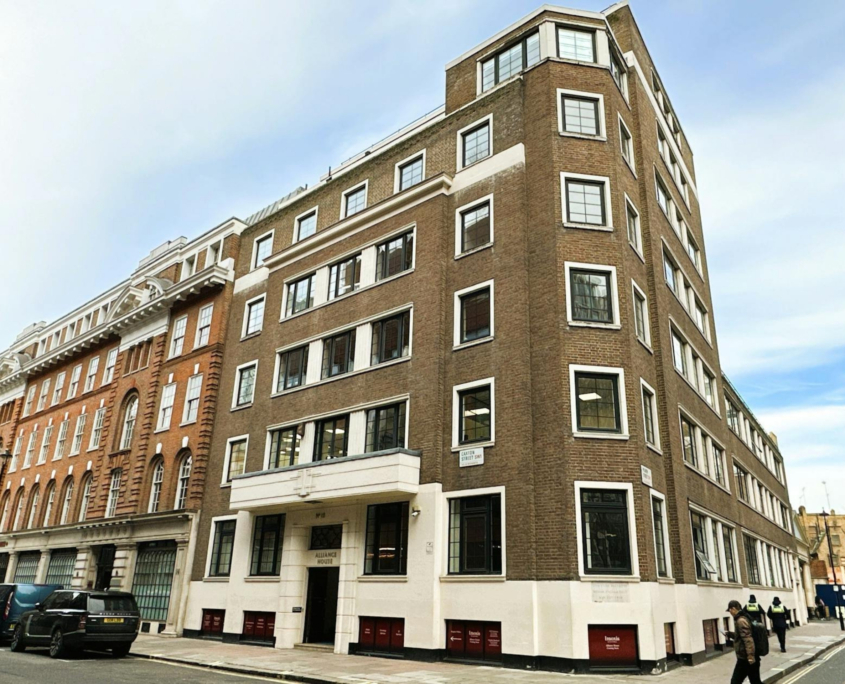
12 Caxton Street
SW1H 0QS
Elegance


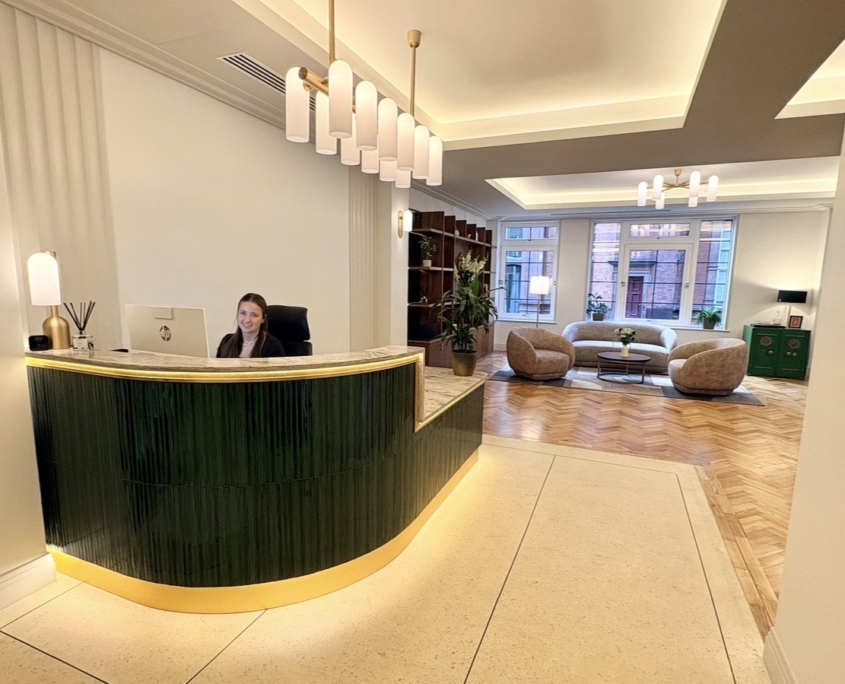

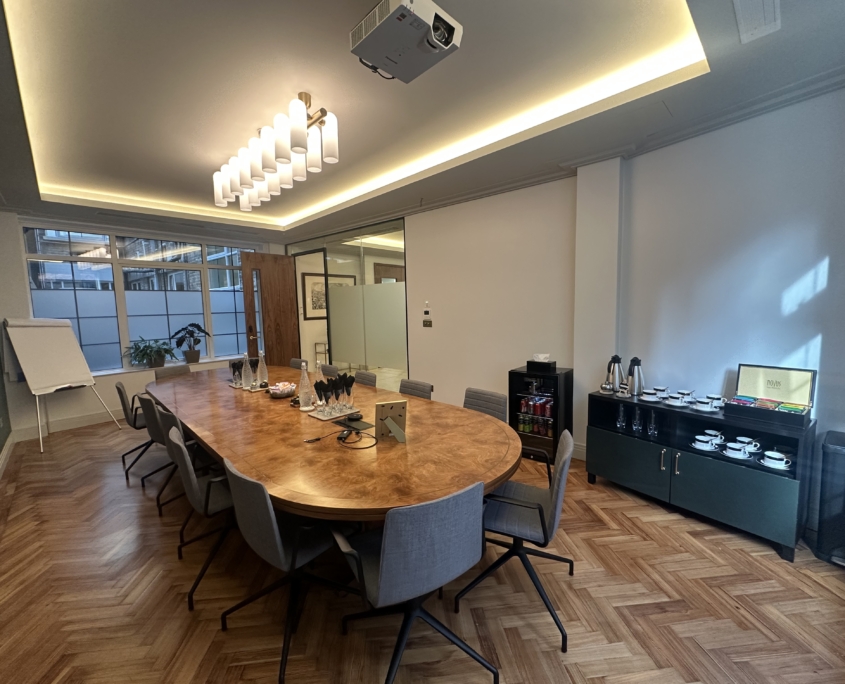
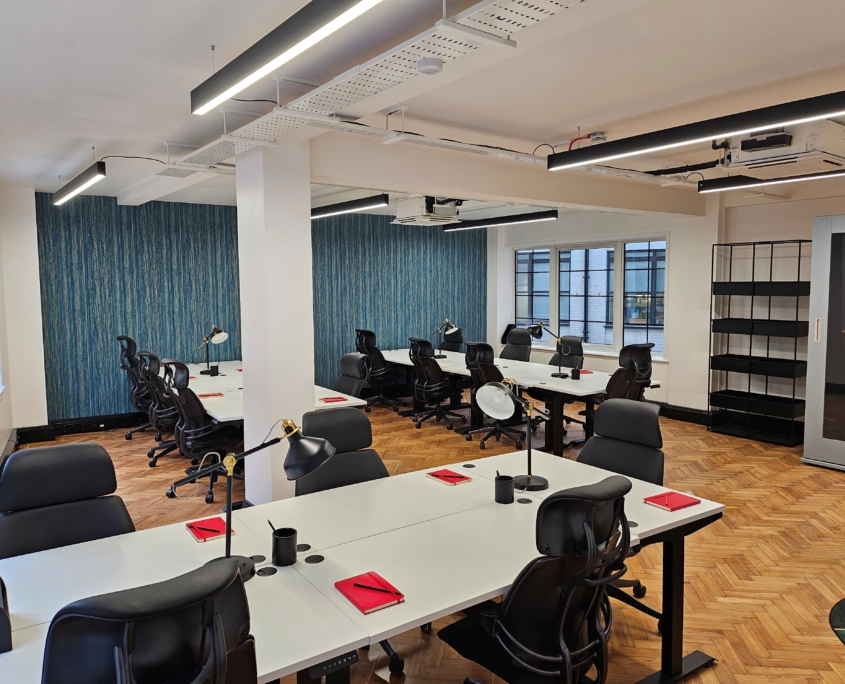
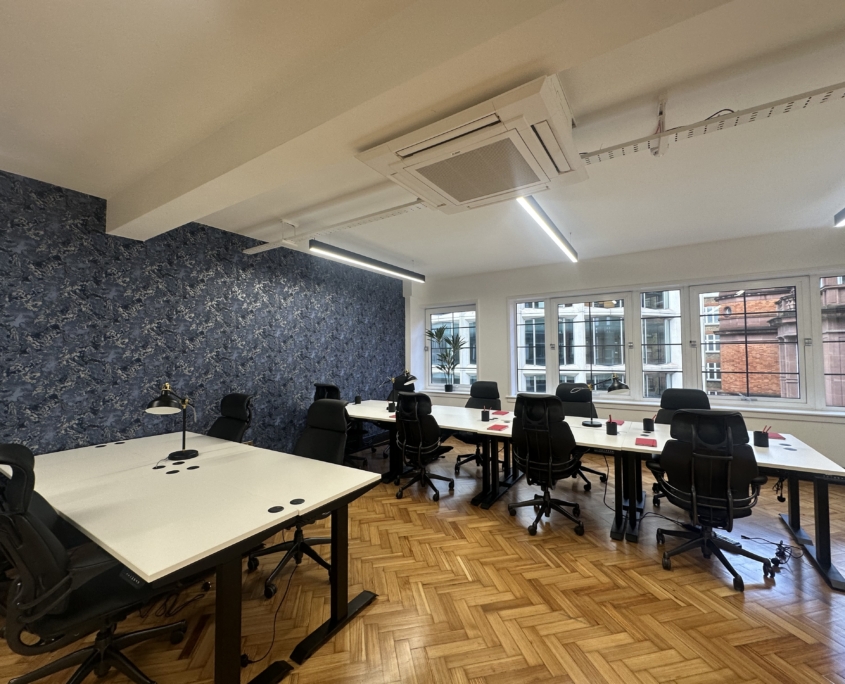
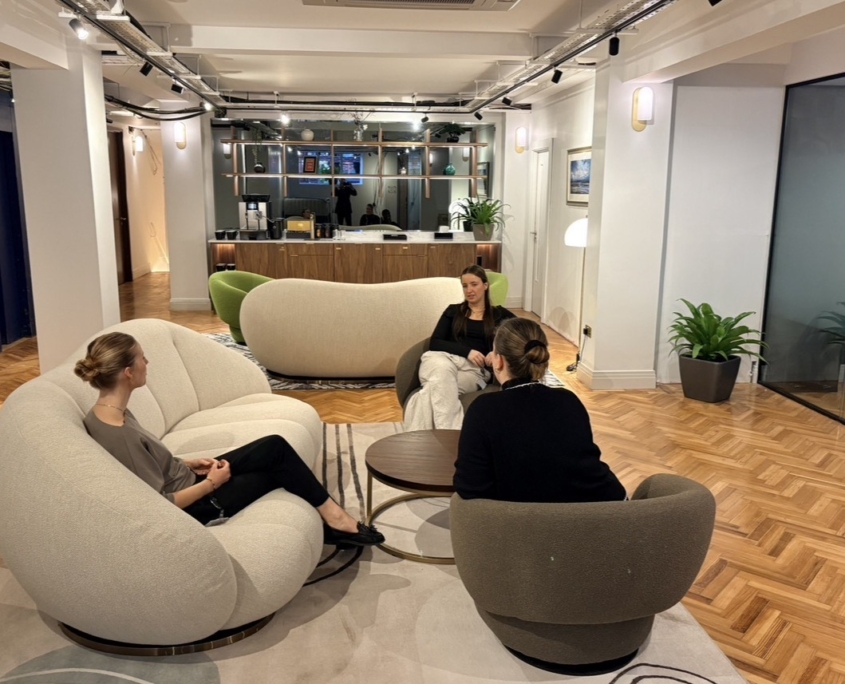
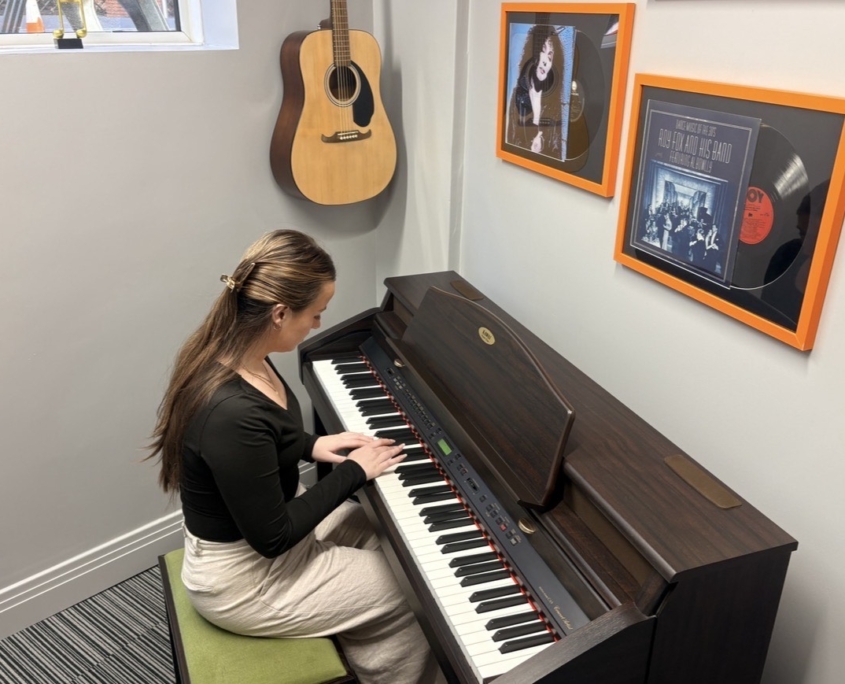
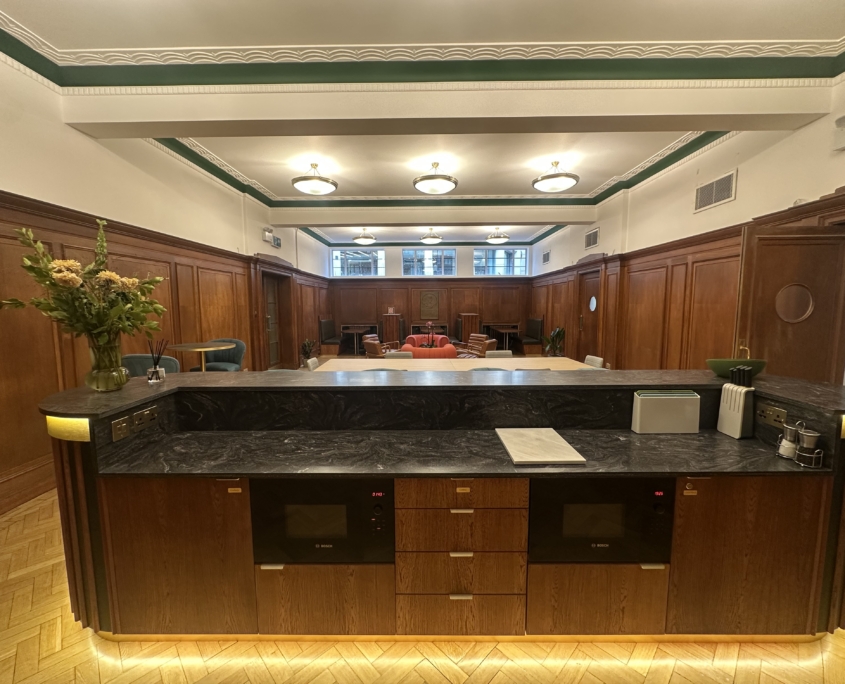
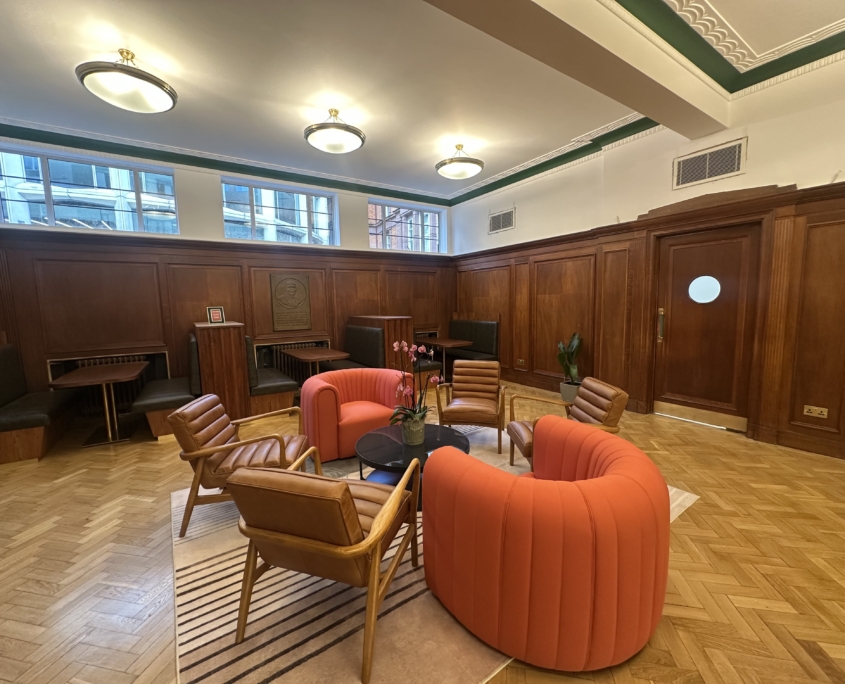
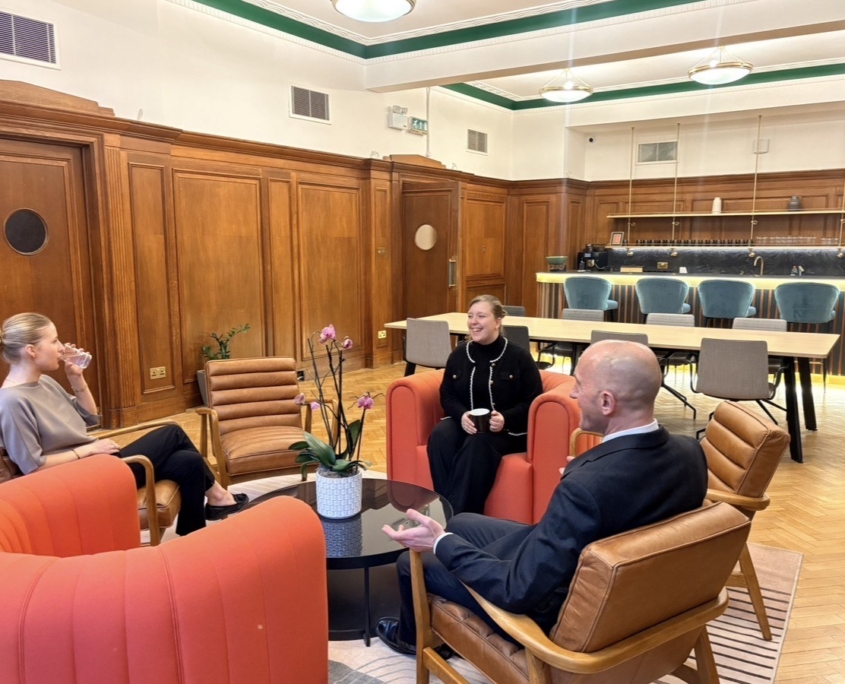
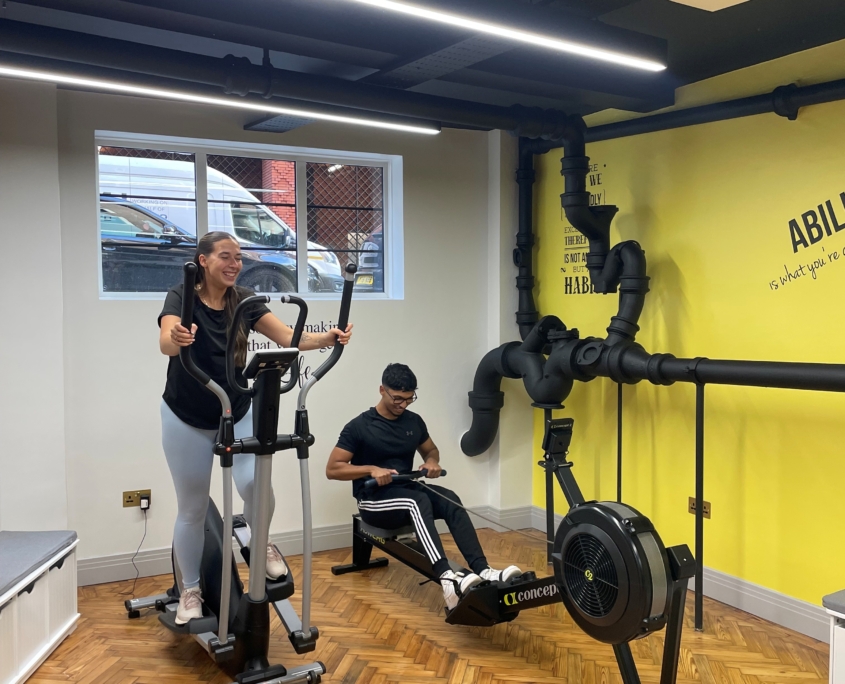
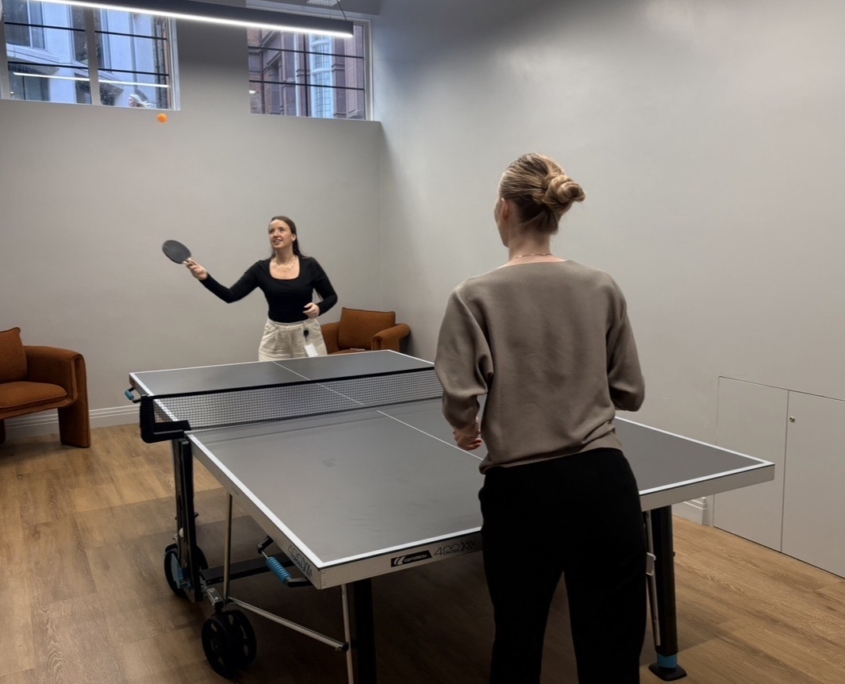
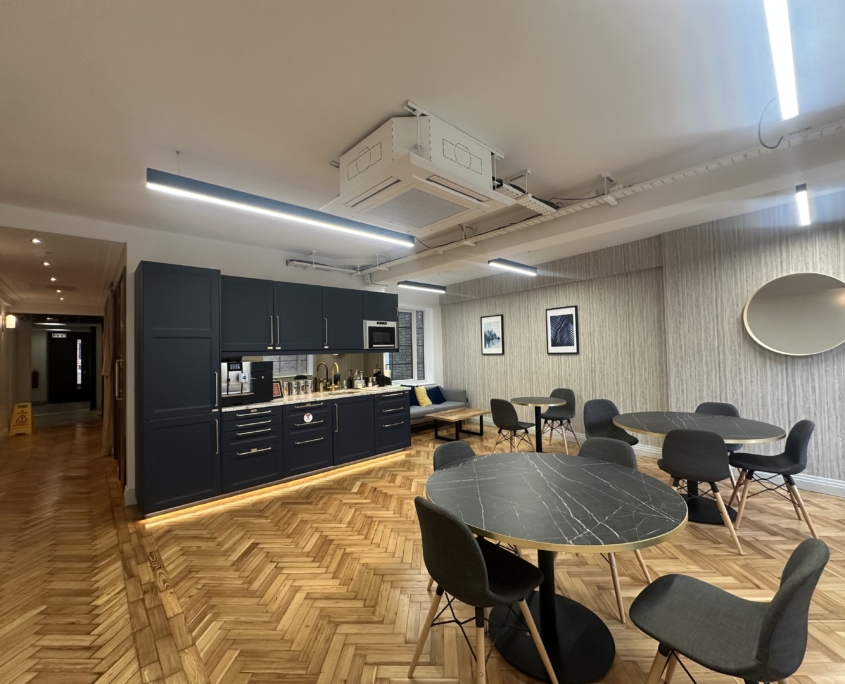
The newest addition to the Imoxis portfolio, 12 Caxton Street is set to offer the most communal space of any Imoxis building to date. After passing through a traditional Art Deco entrance porch, a fantastic dual aspect reception area and living room welcomes you into the building. Beyond this, the Lower Ground floor is entirely dedicated to clients, with a number of meeting rooms, breakout spaces, a large kitchen space within Alliance Hall, as well as a gym, showers, bicycle storage and even a music/podcast room. Upstairs a fantastic roof terrace is under works.
The newest addition to the Imoxis portfolio, 12 Caxton Street is set to offer the most communal space of any Imoxis building to date. After passing through a traditional Art Deco entrance porch, a fantastic dual aspect reception area and living room welcomes you into the building. Beyond this, the Lower Ground floor is entirely dedicated to clients, with a number of meeting rooms, breakout spaces, a large kitchen space within Alliance Hall, as well as a gym, showers, bicycle storage and even a music/podcast room. Upstairs a fantastic roof terrace is under works.
Coming 2026
Coming 2026
Coming 2026/2027
Reflecting a muted Art Deco style with Neo-Georgian influences, 12 Caxton Street was built in under a year and completed in 1938. Formerly the site of the Westminster Medical School, the property was acquired in 1937 by the British Temperance Movement as part of its plan to establish new London headquarters. By this time, the movement had shifted its focus from strict teetotalism to a broader advocacy of temperance, following declining political and economic support and the end of American Prohibition in 1933.
The new building provided a dedicated meeting hall and offices for the organisation, alongside additional lettable office accommodation intended to generate income. Designed by Murrell and Pigott, it features black Crittall windows set against Portland stone entrances. Internally, original terrazzo and pitch-pine herringbone parquet floors remain in place, complemented by brass detailing characteristic of its restrained Art Deco style. The Alliance Hall survives as the building’s centrepiece, distinguished by oak panelling, oak parquet flooring and refined brass accents.